
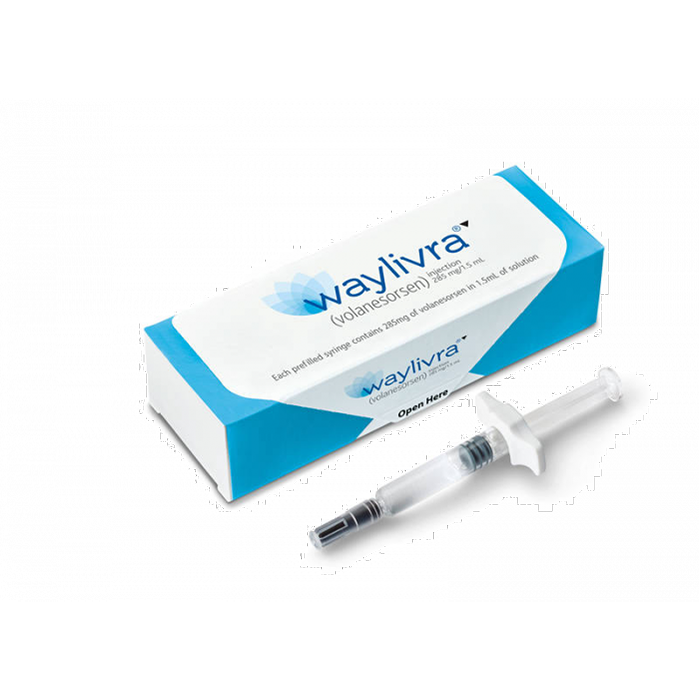
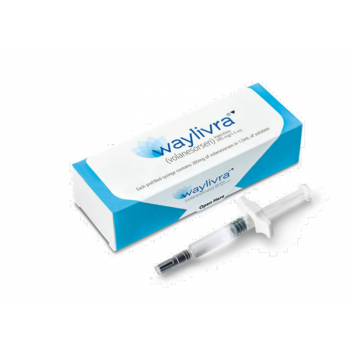
Waylivra (volanesorsen) is a prescription medication used to treat adults with genetically confirmed familial chylomicronemia syndrome (FCS) and at high risk for pancreatitis, in whom response to diet and triglyceride lowering therapy has been inadequate. FCS is a rare genetic disorder that causes the body to produce too much of a type of fat called chylomicrons. Chylomicrons can build up in the blood and cause pancreatitis, a serious inflammation of the pancreas.
Waylivra is an antisense oligonucleotide, which is a type of synthetic DNA. It works by blocking the production of a protein called apolipoprotein C-III (apoC-III). ApoC-III is a protein that inhibits the breakdown of chylomicrons. By blocking the production of apoC-III, Waylivra helps to lower triglyceride levels in the blood and reduce the risk of pancreatitis.
Waylivra is given as an injection under the skin once a week. The recommended starting dose is 285 mg. The dose may be increased or decreased by your doctor based on your response to treatment.
How effective is Waylivra?
In clinical studies, Waylivra was shown to be effective in lowering triglyceride levels in patients with FCS. In one study, Waylivra reduced triglyceride levels by a median of 50% after 12 weeks of treatment.
What are the side effects of Waylivra?
The most common side effects of Waylivra are:
- Injection site reactions
- Headache
- Fatigue
- Nausea
- Diarrhea
- Constipation
- Abdominal pain
- Back pain
- Muscle pain
- Upper respiratory tract infection
Waylivra can also cause more serious side effects, such as:
- Liver problems
- Kidney problems
- Allergic reactions
- Blood clots
Who should not take Waylivra?
Waylivra should not be taken by people who are allergic to volanesorsen or any of the other ingredients in Waylivra. It should also not be taken by people with severe liver disease.
Important safety information
It is important to tell your doctor about all of the medications you are taking before starting Waylivra. Waylivra can interact with other drugs, such as blood thinners and statins.
Waylivra should be used with caution in people with liver disease or kidney disease.
Waylivra can cause serious side effects, such as liver problems and kidney problems. It is important to monitor your liver and kidney function regularly while taking Waylivra.
If you are considering taking Waylivra, talk to your doctor about the risks and benefits of the medication.


Serena Caldwell –
Waylivra has been an excellent addition to my treatment plan for familial chylomicronemia syndrome. Before starting therapy, I lived with constant anxiety about developing another episode of pancreatitis because my triglyceride levels stayed dangerously elevated despite lifestyle changes. Since beginning treatment, my follow-up appointments have consistently shown positive progress, and my healthcare provider is pleased with how well I’m responding. The medication has been manageable, and the improvement in my overall confidence has been just as valuable as the clinical results. I’m incredibly thankful to have access to a therapy designed for people living with this rare condition.
Julian Everhart –
Living with a rare disease often feels isolating, but Waylivra has made a meaningful difference in my treatment journey. My doctor explained that it could help reduce the risk associated with my extremely high triglyceride levels, and so far the results have been very encouraging. My blood work continues to improve, and I feel much more optimistic about my long-term health. I continue to maintain a strict diet while following my treatment plan, and together they’ve helped me regain confidence in my daily life. I highly value the care I’ve received and the effectiveness of this medication.
Genevieve Lockhart –
Waylivra has exceeded my expectations. Before beginning treatment, my triglyceride levels remained extremely high despite following every dietary recommendation my doctors suggested. Since starting therapy, my laboratory values have steadily improved, and my specialist has been very encouraged by the results. I appreciate that my medical team carefully monitors my treatment, making me feel safe throughout the process. Living with FCS is never easy, but Waylivra has made managing the condition feel much more achievable.
Landon Whitaker –
After years of struggling with recurrent pancreatitis caused by familial chylomicronemia syndrome, my healthcare team started me on Waylivra. The difference has been remarkable. My follow-up blood tests have shown a substantial reduction in triglyceride levels, and I haven’t experienced the frequent health scares that once dominated my life. The regular monitoring gave me confidence throughout treatment, and any minor injection-site discomfort was manageable. I’m grateful that a medication exists specifically for people living with this rare disorder.
Adeline Forsyth –
Being diagnosed with familial chylomicronemia syndrome completely changed my life. Even with an extremely strict diet, my triglyceride levels remained dangerously high, and I constantly worried about another episode of pancreatitis. My specialist recommended Waylivra, and it has been one of the most important treatments I’ve received. My triglyceride levels have improved significantly according to my lab results, and my doctor is very pleased with my progress. I continue to follow my dietary plan, but I finally feel like I have another tool helping me manage this rare condition. Waylivra has given me hope and much greater peace of mind.