
Introduction
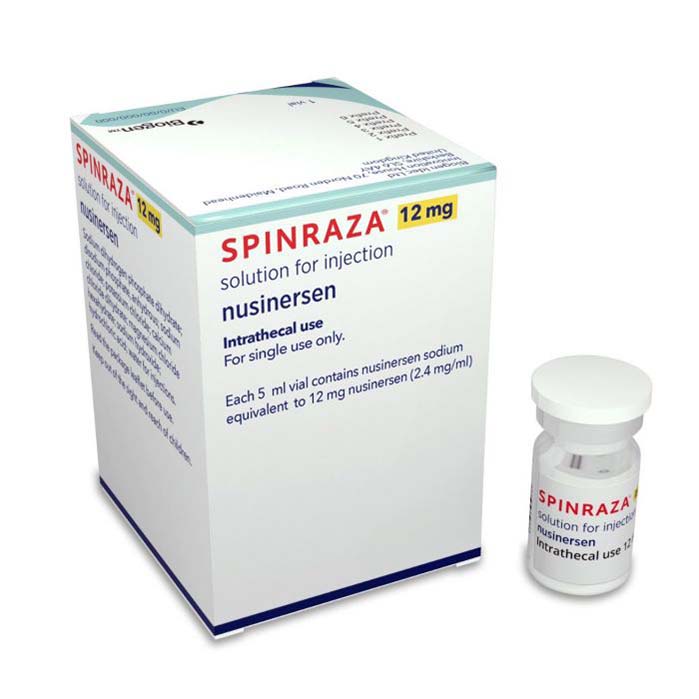
Spinraza, also known by its generic name Nusinersen, is a groundbreaking medication that has transformed the landscape of treatment for Spinal Muscular Atrophy (SMA), a rare genetic disorder characterized by the progressive degeneration of motor neurons in the spinal cord. This description delves into the history, mechanism of action, therapeutic uses, administration, side effects, and ongoing research related to Spinraza.
I. History of Spinraza
The development of Spinraza is a testament to the relentless pursuit of innovative therapies for rare and devastating diseases. SMA, previously lacking effective treatments, left patients and their families with limited options and often a grim prognosis. Spinraza emerged as a ray of hope when it received its first FDA approval in December 2016.
II. Mechanism of Action
Spinraza’s mechanism of action is both unique and revolutionary. It works by targeting the underlying genetic cause of SMA, which is typically caused by mutations in the Survival Motor Neuron 1 (SMN1) gene. These mutations lead to a deficiency in the SMN protein, essential for motor neuron function. Spinraza is an antisense oligonucleotide that modifies the splicing of pre-messenger RNA (mRNA) to increase the production of functional SMN protein from the SMN2 gene, which is typically present in SMA patients.
III. Therapeutic Uses
- SMA Treatment: Spinraza is primarily indicated for the treatment of SMA in both pediatric and adult patients. It offers hope and improvement in motor function for individuals affected by various types of SMA, including Type 1, Type 2, and Type 3, which vary in severity.
- Expanding Applications: Ongoing research explores the potential use of Spinraza in other neurodegenerative diseases and conditions, as the concept of modifying gene expression holds promise for various genetic disorders.
IV. Administration and Dosage
Spinraza is administered via lumbar puncture (spinal tap) directly into the cerebrospinal fluid (CSF) surrounding the spinal cord. The dosing regimen varies based on the patient’s age, weight, and type of SMA:
- For infants and children with Type 1 SMA, the initial loading doses are administered every 14 days for the first three doses, followed by maintenance doses every four months.
- For older pediatric and adult patients with Type 2 and Type 3 SMA, the dosing schedule may differ but typically includes an initial loading phase followed by maintenance doses.
The administration procedure requires specialized medical training and is performed by healthcare professionals in a clinical setting.
V. Side Effects
Spinraza’s side effects are generally mild, considering its direct administration into the CSF. Common side effects may include:
- Headache
- Back pain
- Nausea
- Vomiting
These side effects usually resolve without intervention. However, it is essential for patients to report any unusual or severe symptoms to their healthcare providers. Serious allergic reactions are rare but possible, and prompt medical attention is necessary in such cases.
VI. Ongoing Research and Future Directions
Spinraza represents a significant breakthrough in the treatment of SMA, but research continues to explore new avenues for therapy and improve the lives of SMA patients further. Some ongoing research areas include:
- Gene Therapies: Investigating advanced gene-editing techniques to directly address the genetic mutations responsible for SMA, potentially offering a one-time, long-term solution.
- Oral Medications: Developing oral medications that target the same genetic pathways as Spinraza, offering more convenient and less invasive options for patients.
- Combinatorial Therapies: Exploring the benefits of combining Spinraza with other treatments to enhance its efficacy and provide a more comprehensive approach to SMA management.
- Expanded Indications: Evaluating the potential use of Spinraza in other neuromuscular and neurodegenerative disorders characterized by motor neuron dysfunction.
VII. Conclusion
Spinraza, or Nusinersen, has revolutionized the treatment of Spinal Muscular Atrophy, offering hope and improved quality of life for individuals affected by this rare genetic disorder. Its unique mechanism of action, targeting the genetic root cause of SMA, has set a precedent for gene-targeted therapies in the field of rare diseases. While Spinraza represents a significant advancement, ongoing research strives to push the boundaries of what is possible in the realm of genetic medicine, offering hope for even more effective treatments and potentially a future without SMA. As we witness the evolution of SMA therapy, Spinraza remains a shining example of how science and innovation can make a profound difference in the lives of those facing rare and challenging medical conditions.





Katarina Jovanović –
Spinraza has become one of the most important parts of my treatment plan. Since starting therapy, I’ve experienced gradual but meaningful improvements that have helped me maintain greater independence. My neurologist has been very pleased with my progress, and I look forward to every positive milestone ahead. I’m incredibly grateful for this remarkable medication.
Ahmed Benali –
Spinraza has given me renewed optimism about living with spinal muscular atrophy. I have more stability, better movement, and greater confidence in my everyday routine. My medical team continues to report positive progress, and I appreciate the careful support I’ve received throughout treatment. I’m extremely satisfied with the results.
Petra Šimeková –
Watching my son respond to Spinraza has been an emotional and rewarding experience. His motor skills have continued to improve, and he’s able to do things that once seemed out of reach. Our neurologist has been thrilled with his progress, and we feel incredibly fortunate to have access to this treatment. It has truly changed his life.
Alejandro Fuentes –
I’ve been receiving Spinraza for my SMA, and the progress has exceeded my expectations. I feel stronger during daily activities, and my endurance has gradually improved over time. My healthcare team has closely monitored my treatment, and every follow-up appointment has been encouraging. This medication has given me hope for the future.
Marianne Dupuis –
Spinraza has made an incredible difference in our family’s life. Since my daughter began treatment for spinal muscular atrophy, we’ve seen steady improvements in her strength and mobility. Every milestone, no matter how small, has meant the world to us. Her neurologist has been very encouraged by her progress, and we’re so thankful for this medication.