
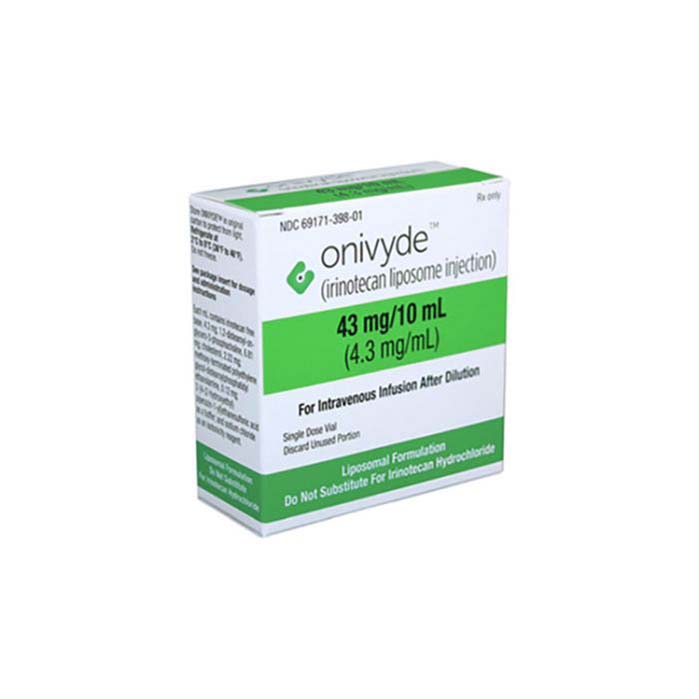
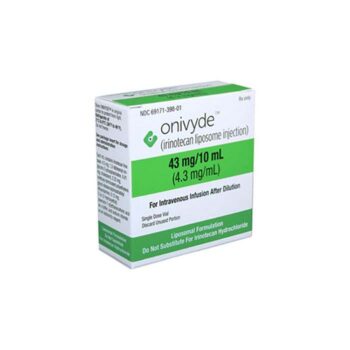
Onivyde (irinotecan hydrochloride trihydrate) is a potent and specialized anti-cancer medication used in the treatment of certain types of advanced or metastatic cancers. This chemotherapy drug belongs to a class of medications known as topoisomerase I inhibitors and is specifically indicated for patients with metastatic adenocarcinoma of the pancreas after previous therapy has failed.
Key features and characteristics of Onivyde include:
- Active Ingredient: The active ingredient in Onivyde is irinotecan hydrochloride trihydrate, which is a water-soluble form of irinotecan.
- Mechanism of Action: Onivyde exerts its anti-cancer effects by interfering with the replication and transcription of DNA within cancer cells. It works by inhibiting topoisomerase I, an enzyme responsible for unwinding and repairing DNA. By blocking this enzyme, Onivyde causes DNA damage and prevents the cancer cells from dividing and growing.
- Indications: Onivyde is primarily used for the treatment of metastatic adenocarcinoma of the pancreas that has progressed after prior gemcitabine-based chemotherapy. It is not typically used as a first-line treatment for pancreatic cancer.
- Administration: Onivyde is administered intravenously (IV) by a healthcare professional in a clinical setting such as a hospital or infusion center. The dosing regimen and schedule may vary depending on the individual patient and the specific cancer being treated.
- Adverse Effects: Like many chemotherapy drugs, Onivyde may cause a range of side effects, including nausea, vomiting, diarrhea, fatigue, and a decreased white blood cell count (neutropenia), which can increase the risk of infection. Patients receiving Onivyde are closely monitored for these and other potential side effects.
- Special Precautions: Onivyde should only be used under the supervision of an experienced oncologist. It may not be suitable for all patients, and its use should be carefully considered in light of the potential benefits and risks.
- Combination Therapy: Onivyde is sometimes used in combination with other chemotherapy agents or supportive medications to enhance its effectiveness and manage side effects.
- Patient Education: Patients receiving Onivyde should be educated about the potential side effects, the importance of regular follow-up appointments, and the need for diligent monitoring during treatment.
- Research and Clinical Trials: As of my last knowledge update in September 2021, Onivyde had been the subject of ongoing research and clinical trials to explore its efficacy in different cancer types and treatment settings. New developments and indications may have emerged since then.
It’s important to note that medical information can evolve, and the latest guidance on Onivyde should be obtained from a healthcare provider or a reliable medical source, as there may have been updates or changes in its use or availability after my last knowledge update.



Noemi Kovács –
Living with metastatic pancreatic cancer has been difficult, but Onivyde has helped me maintain hope and focus on the future. My doctors have seen encouraging results, and I’ve been able to continue enjoying time with the people I love. I’m thankful for the advances in treatment that have made this medication available. It has been an important part of my journey.
Kieran Wallace –
Onivyde has given me confidence during a very challenging time. My healthcare team carefully explained the treatment plan, and I’ve been happy with how things have progressed. My energy has remained better than I anticipated, and my follow-up appointments have brought encouraging news. I’m grateful to have access to this medication.
Petra Nováková –
I started Onivyde after discussing all of my options with my oncology team. The treatment has gone better than I expected, and my doctors have been encouraged by my response. I feel optimistic knowing that my condition is being managed with an effective therapy. Every positive update has been a welcome milestone.
Javier Morales –
Onivyde has become an important part of my care for metastatic pancreatic cancer. My doctors have closely monitored my treatment, and I’ve been pleased with the steady progress. I continue to have the strength to spend meaningful time with my family, which means everything to me. I’m thankful for this medication and the hope it has provided.
Caroline Dupont –
After my previous treatment stopped working, my oncologist recommended Onivyde as part of my new treatment plan. I’ve been encouraged by my progress, and my follow-up scans have shown positive results. My medical team has been wonderful throughout the process, and I’m grateful to have another effective option. This medication has given me renewed hope.