
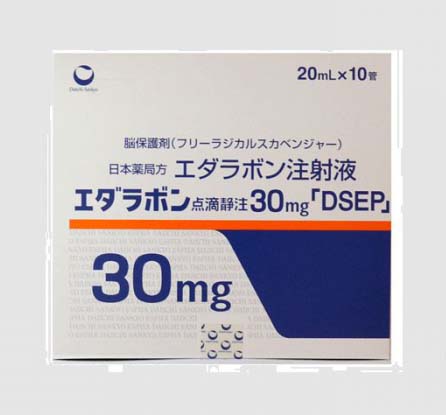
Edaravone is a medication developed and marketed by Daiichi Sankyo under the trade name Radicava. It is primarily used for the treatment of a specific neurological condition known as amyotrophic lateral sclerosis (ALS), also referred to as Lou Gehrig’s disease. ALS is a progressive and degenerative disorder that affects nerve cells in the brain and spinal cord, leading to muscle weakness, loss of motor function, and ultimately, severe disability.
Here is a comprehensive description of Edaravone (Radicava):
1. Drug Class and Mechanism of Action: Edaravone is classified as a neuroprotective medication with antioxidant properties. It is believed to work by reducing oxidative stress and inflammation in the central nervous system, which are thought to contribute to the progression of ALS.
2. Indications: Edaravone is specifically indicated for the treatment of amyotrophic lateral sclerosis (ALS) in adults. ALS is a rare and debilitating neurodegenerative disease characterized by the gradual loss of motor neurons, leading to muscle weakness and atrophy, difficulty speaking and swallowing, and eventual paralysis.
3. Dosage and Administration: Edaravone is administered intravenously (IV) and is typically given as a daily infusion over a 10 to 14-day cycle, followed by a 14-day drug-free period. This cycle is repeated for as long as the healthcare provider deems necessary based on the patient’s condition. The treatment is typically administered in a healthcare setting.
4. Effectiveness: Clinical trials have shown that Edaravone can slow the decline in functional abilities associated with ALS. While it is not a cure for the disease, it has been shown to provide some benefit by potentially delaying disease progression and preserving motor function for a period of time.
5. Side Effects: Common side effects of Edaravone may include headache, bruising at the injection site, gait disturbance, and respiratory infections. More serious side effects are rare but may include liver problems, hypersensitivity reactions, and reduced white blood cell counts. It is essential for patients to report any unusual or severe side effects to their healthcare provider promptly.
6. Precautions and Monitoring: Before starting Edaravone treatment, individuals should inform their healthcare provider of their medical history, allergies, and all medications they are taking. Regular monitoring is crucial to assess the medication’s effectiveness and manage potential side effects.
7. Cost and Insurance Coverage: Edaravone is a specialized medication, and its cost can be significant. Insurance coverage and access to the medication may vary depending on individual insurance plans and geographic location. Financial assistance programs may be available for eligible patients.
8. Duration of Treatment: The duration of Edaravone treatment varies depending on the progression of ALS and the patient’s response to therapy. It is typically prescribed for as long as the healthcare provider believes it is providing benefit.
9. Other Therapies: Edaravone is often used as part of a comprehensive treatment plan for ALS, which may include physical therapy, occupational therapy, speech therapy, and supportive care to manage symptoms and improve quality of life.
10. Conclusion: Edaravone (Radicava) is a medication developed by Daiichi Sankyo for the treatment of amyotrophic lateral sclerosis (ALS). It is administered intravenously and is believed to work by reducing oxidative stress and inflammation in the central nervous system, potentially slowing the progression of the disease. While it is not a cure, it can provide some benefit by preserving motor function and delaying the decline in functional abilities associated with ALS. Its use should be closely monitored by healthcare professionals to assess effectiveness and manage potential side effects. It is an important option for individuals living with ALS to consider as part of their treatment plan.





Isolde Merrick –
I’ve been receiving Edaravone for several months, and my overall experience has been very positive. The infusion schedule quickly became familiar, and my care team has always been available to answer questions and monitor my progress. I appreciate how smoothly the treatment has fit into my routine and how well I’ve tolerated it. Living with ALS is challenging, but having a dedicated treatment plan that includes Edaravone has given me greater peace of mind and confidence moving forward.
Callum Briarwood –
When I was first diagnosed with ALS, I felt overwhelmed by all the information available. My neurologist recommended Edaravone, and I’m thankful we decided to include it in my treatment plan. The medication has been well tolerated, and I feel reassured by the regular monitoring and support from my healthcare providers. Every appointment has reinforced that I’m receiving comprehensive care. Edaravone has become an important part of helping me manage this difficult condition.
Lucille Everstone –
Edaravone has been an excellent addition to my ALS treatment. From the beginning, my healthcare team explained the infusion schedule and what to expect, which made the process much less intimidating. I’ve been able to complete each treatment cycle without significant problems, and my routine follow-up visits have gone smoothly. I appreciate having a medication that has been well studied for ALS and that fits into my long-term treatment strategy. Overall, I’ve had a very positive experience.
Kieran Hollingsworth –
My father started Edaravone shortly after his ALS diagnosis, and we’ve been very pleased with the experience. His neurologist carefully monitors his progress, and the treatment has become an important part of his overall care plan. The medical staff made every infusion visit comfortable and stress-free, and he has tolerated the medication better than we expected. We know there are no easy answers with ALS, but we’re grateful to have access to a therapy that supports his treatment journey.
Vivienne Ashcroft –
After being diagnosed with ALS, my neurologist recommended Edaravone as part of my treatment plan. I understood that managing ALS requires a comprehensive approach, and I wanted to begin treatment as early as possible. The infusion process became much easier after the first few sessions, and my healthcare team has been incredibly supportive throughout. I’ve tolerated the medication well, and my follow-up appointments have been encouraging. Having a treatment specifically developed for ALS has given me hope and confidence as I continue managing my condition.